
So You Want To Photograph Your Wedding Day on Film ☺️
I learned to photograph 100% on film, from age 17 to 23, and most all of it was purely black & white film. It helped form my visual language as a photographer, making me pay much closer attention to light, contrast, and composition from an early age.
I still love film, and I love that it’s making a comeback in the professional space again. If you’re a Millennial or Gen Z, chances are that you’ve thought about adding on film to your photography experience, or completely utilizing it altogether.
But as a hybrid digital and film photographer, I have to give you as much of my knowledge as possible before you decide what photography services you book, whether you choose us or not. Film can be a major joy or super disappointing, depending on how you pick.
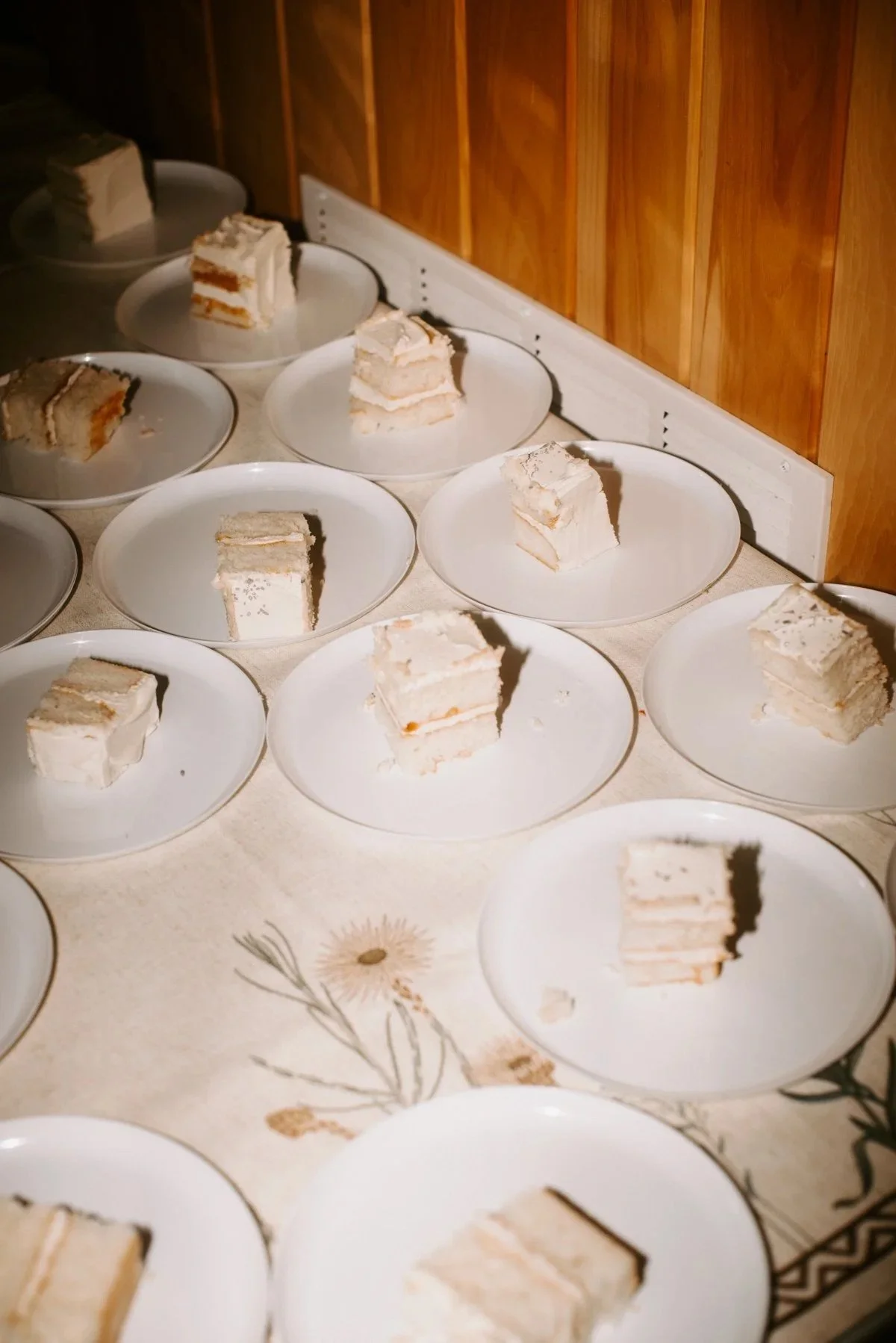
what you miss by doing film only
the security
of knowing there are multiple backups, the lighting is 100% correct, and the shot is “gotten”. With film, there’s not a way to confirm the shots are good in the moment. Even with immense technical skill, light meters aren’t always 100% accurate to a space, your face could be slightly off, or the roll could be incorrectly developed. With digital, there are far fewer risks.
the best candids
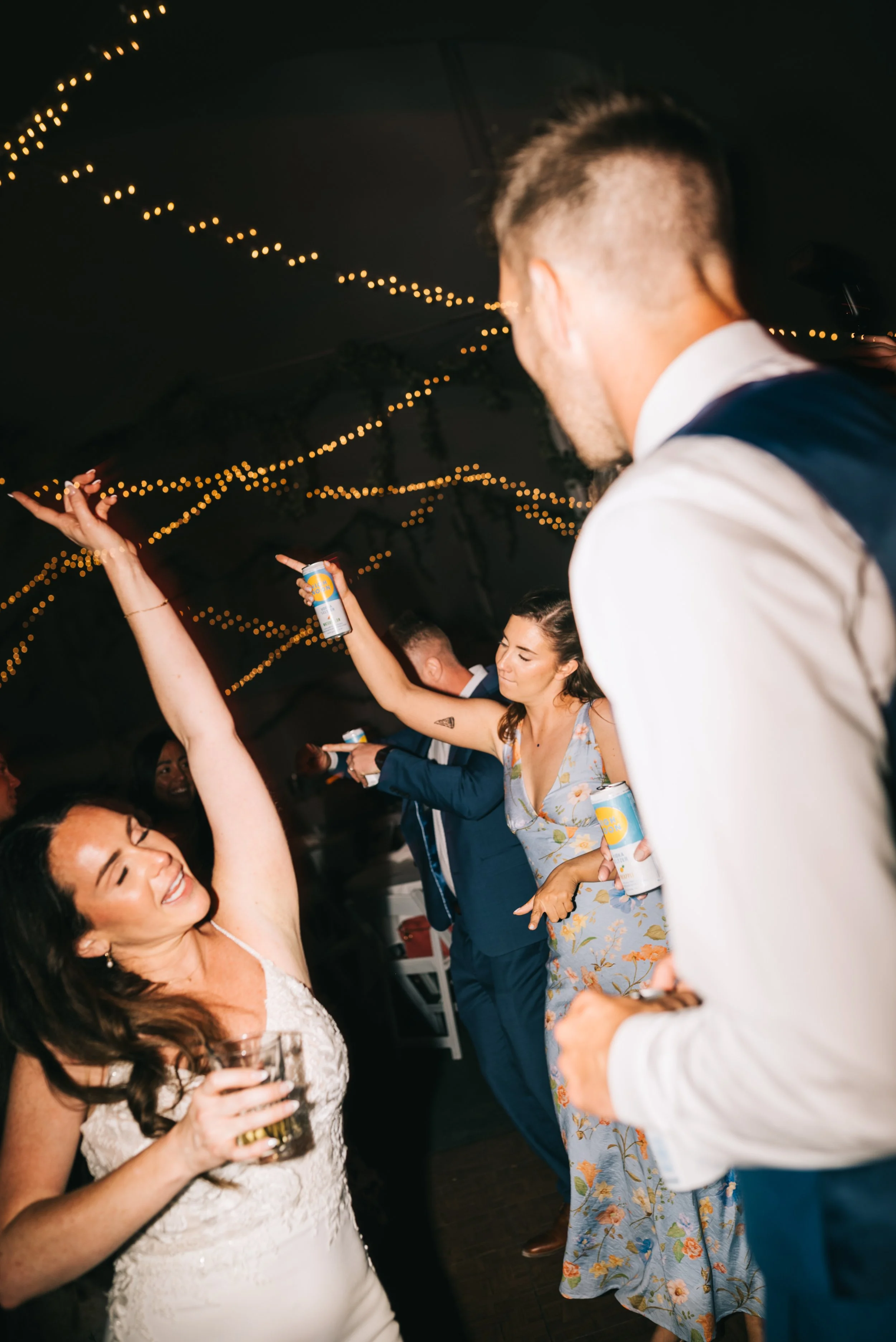
Digital allows for multiple shots, making a ‘meh’ photo frame-worthy (example below). I’m very intentional with my photos, but I still take multiples to ensure everyones’ faces look great – even a fraction of a second can make a shot unusable.
a large number of photos overall
Unless you’re paying for unlimited film, there’s a stricter limit on the number of shots you’ll get throughout the day. On digital, we deliver on average 60-80 shots per hour per photographer. With a film add-on, we’re only sharing 50-80 images for the entire day.
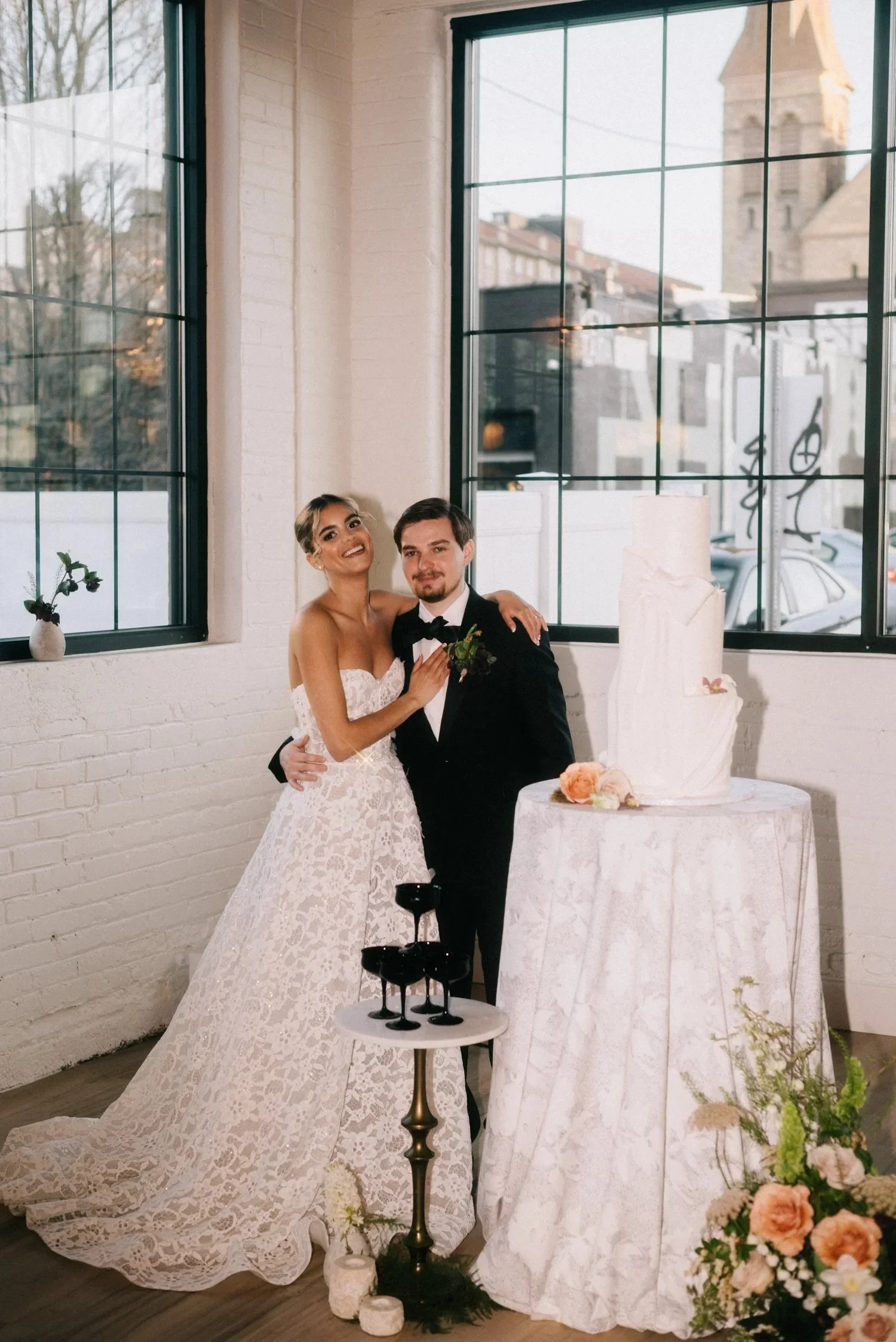
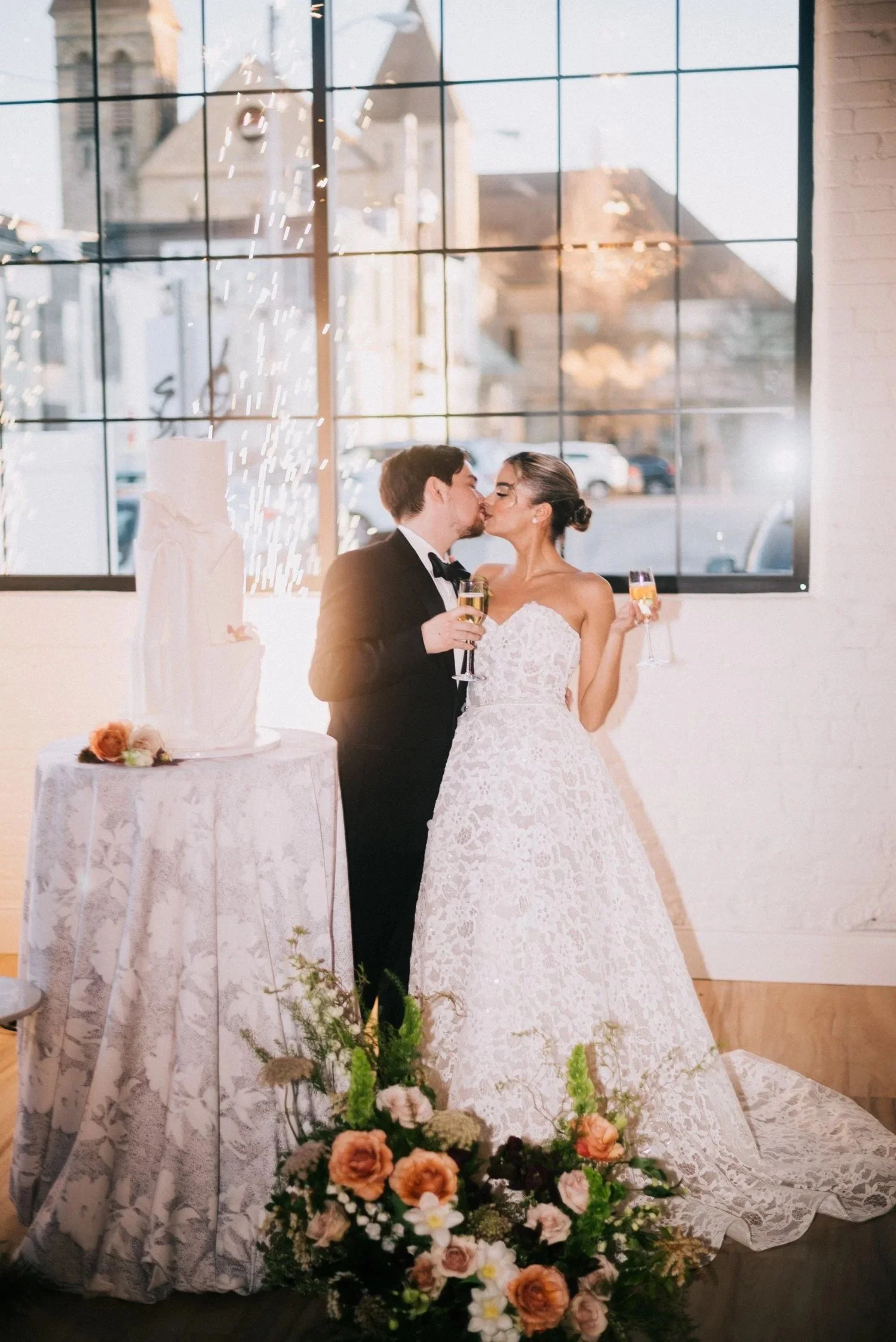
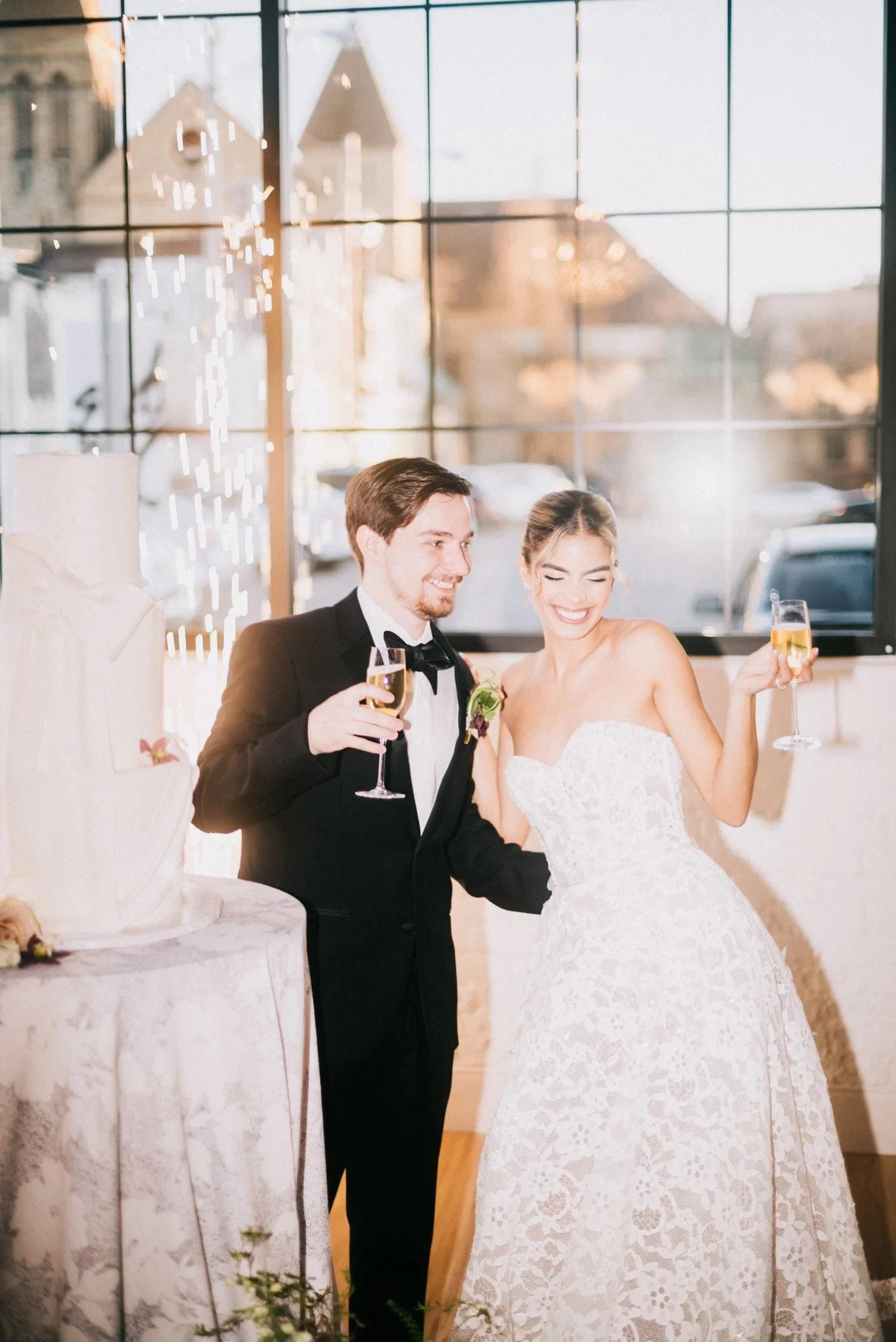
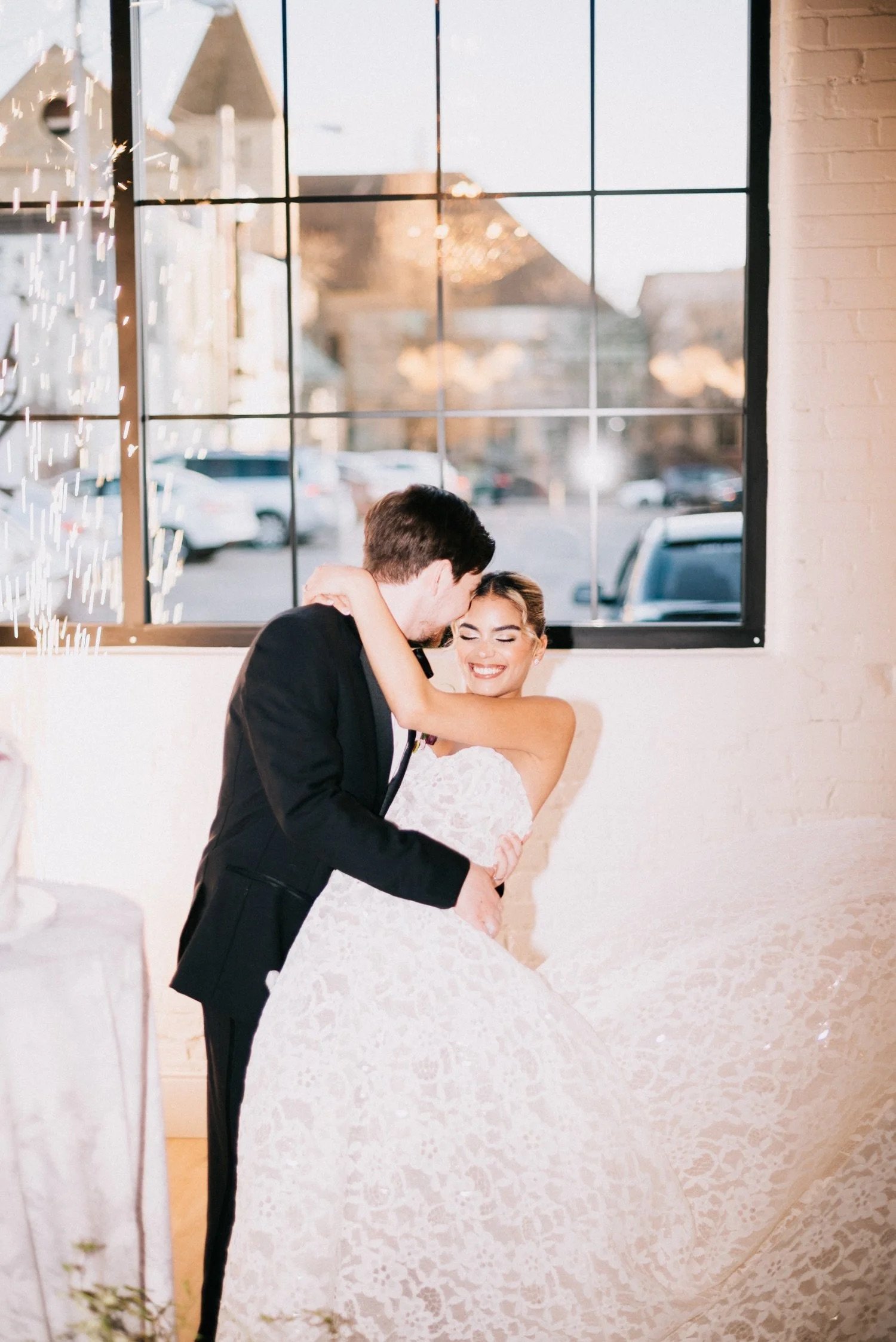
these shots were taken in the course of a few seconds – there are way more options on digital!
be picky about your film photographer
There are lots of new photographers following the trend of offering film services, who don’t fully understand yet the extreme lighting situations and time constraints of a wedding. They may know how to take portraits, but do they have experience to do everything else a wedding includes?
ask for full galleries!
The biggest thing I can recommend in picking a film photographer. A photographer’s portfolio is all highlights, but especially with film and the more limited shot count, you’ll want to see how much and what quality you’ll be getting. We often share full galleries of similar venues/couples so it can be as accurate to their needs as possible.
know how many shots you’ll receive, approximately
Every photographer will be different, but it’s important for you to know in advance, in case you do want a full-coverage day.
do an engagement session first
Get to know the photographer, how they work, and how many/what quality you can expect on the wedding day. From there, you can gauge whether you want a hybrid option or feel good about 100% film.
do a hybrid coverage method
hire a digital + film hybrid photographer
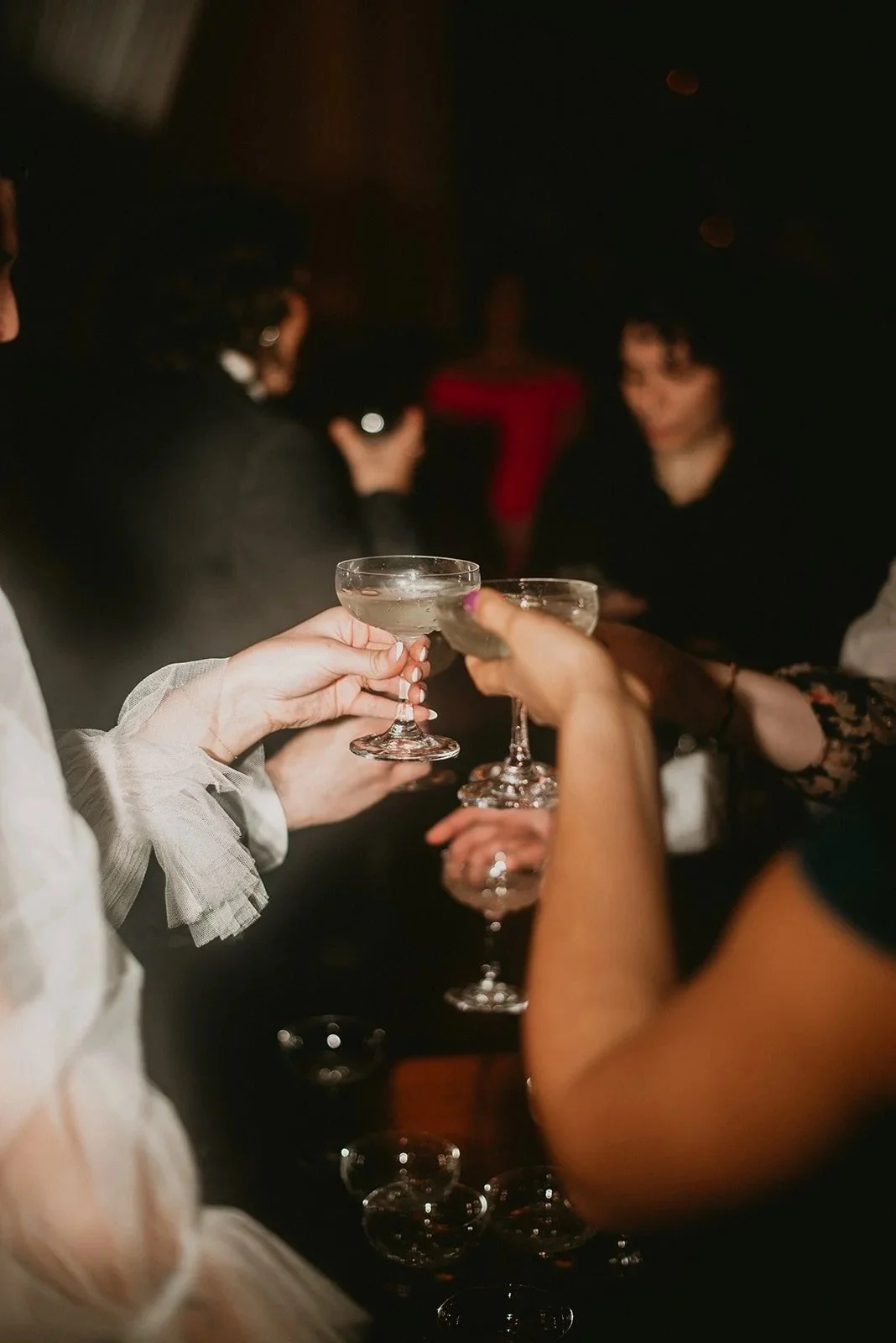
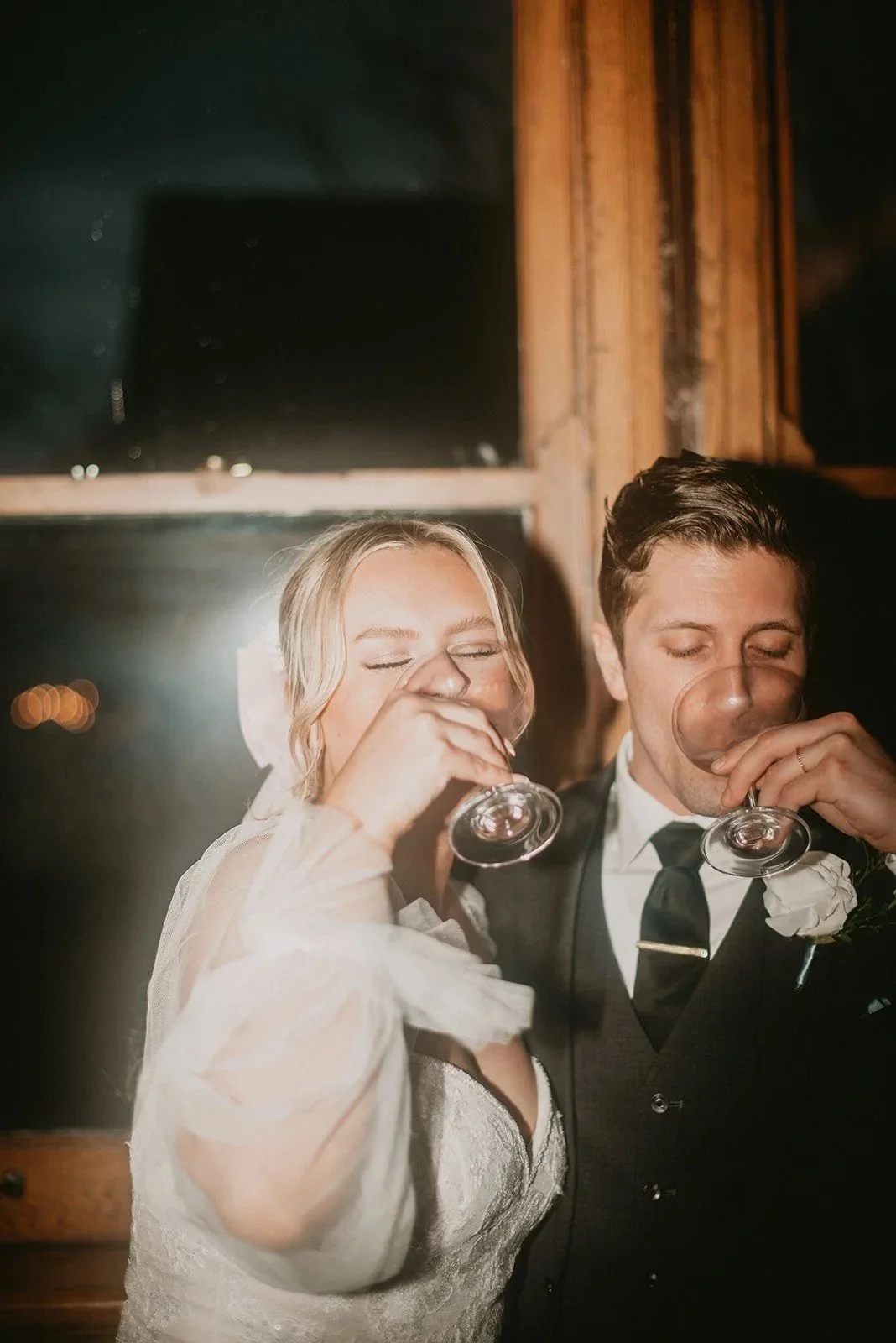
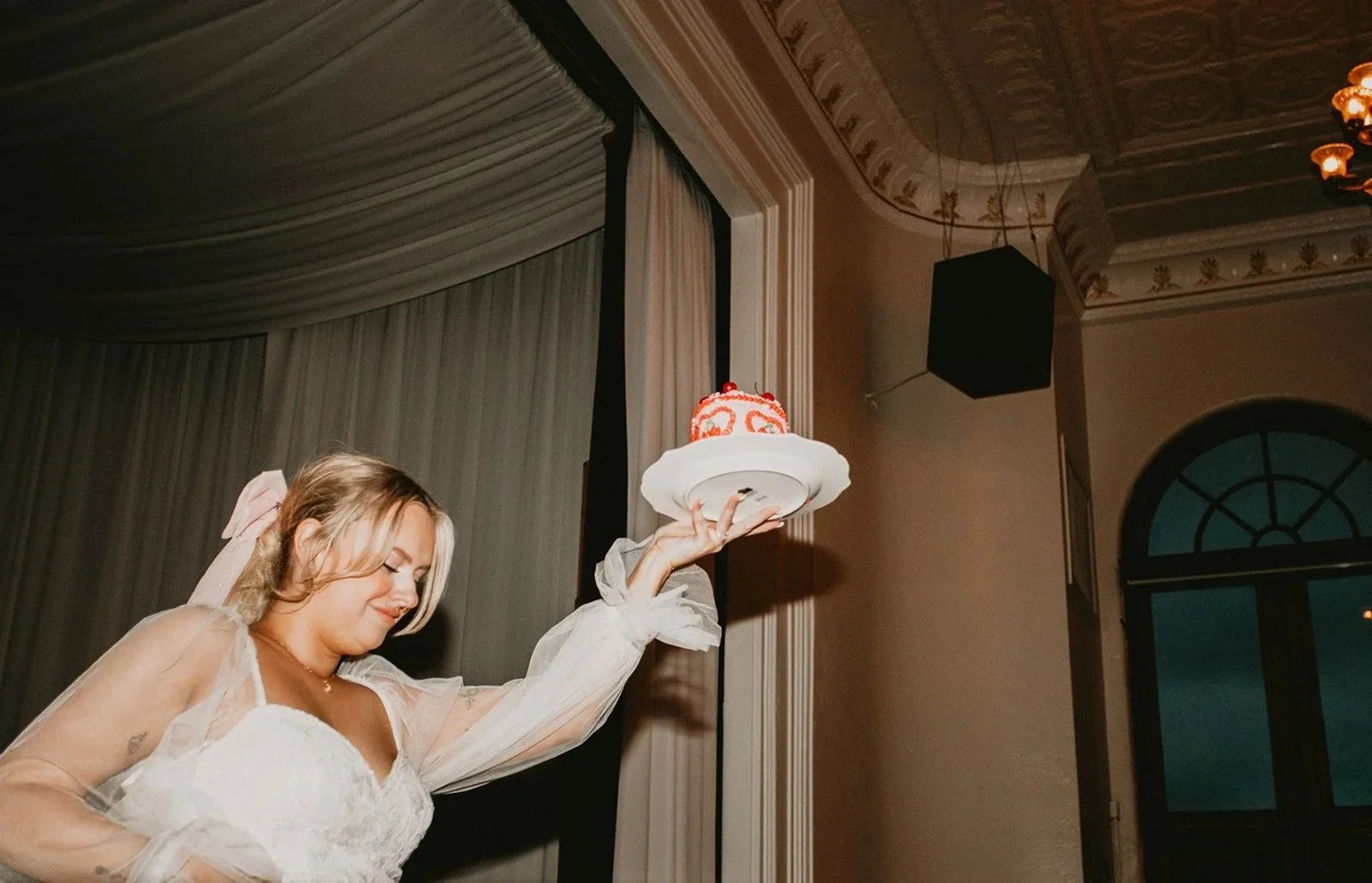
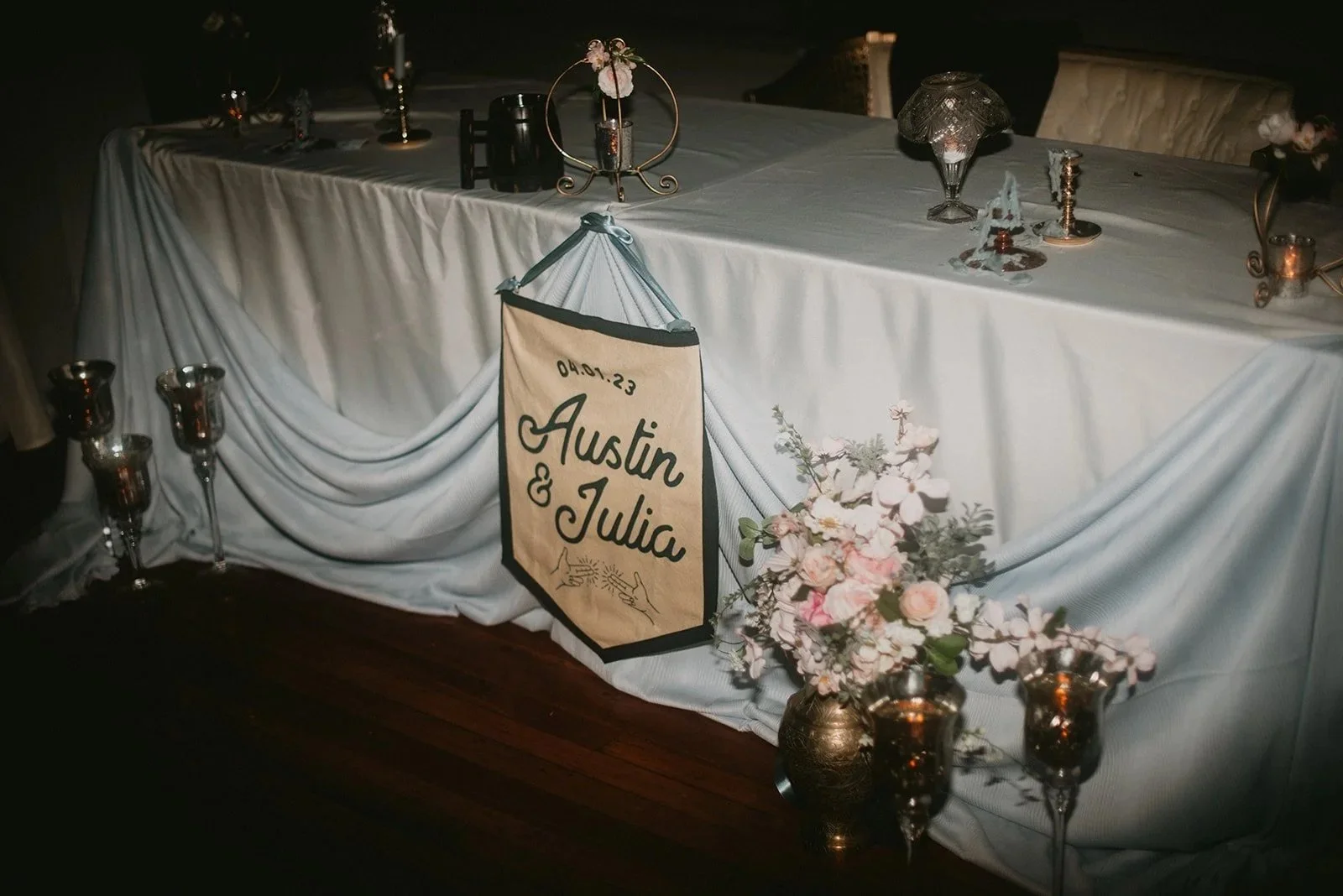
Look for photographers who already shoot in a film style – more candid, less polished, intimate, with maybe some editorial portraits. I, for example, already shoot with a “film style” in mind, where my point of view comes from movies and my art history degree. I prep to make it look as close to film as it can, for a timeless look without the risk of actual film on a fast-paced, once-in-a-lifetime day like a wedding. I use various methods to take the “digital edge” off the photos, both in-person and digitally in post. A few of our more “film-like”-focused weddings, where the couple wanted a film look: Emma & Isaac | Austin & Julia | Arbor Loft | Jackie + Zaven
have your photog add on a second shooter
This is where knowing your photo team can be soooo helpful, because most second shooters are hired on just for the day. Rachel and I have been working together for over 10 years. Trust = better photos. They can get both a full day on digital and film with this method.
add on film for just the highlights/important parts of the day
By doing this, you can still get film at the most crucial points, without taking up the photographer’s time the entire day with it. This is often what videographers do anyway – a film highlight reel, with the rest on digital.
engagement shoot | a few getting ready shots | couple + closest friends/family portraits | select ceremony shots | a few speeches + dances | detail shots | cake cutting
get disposable film cameras and/or an instant camera station for guests
Let your guests shoot film for a minimal cost, as an activity to do throughout the day.
designate a few close friends/family (who you can trust) with disposable cameras and/or an instant camera
A big pitfall of letting guests take film candids is that often they don’t know how to use them, or kids get hold of them and you end up with a lot of wasted film. Instead, get a few of your closest, creative friends to document the day on film. They’ll have time to learn them in advance if they want, and they’re part of the action of the day anyway!
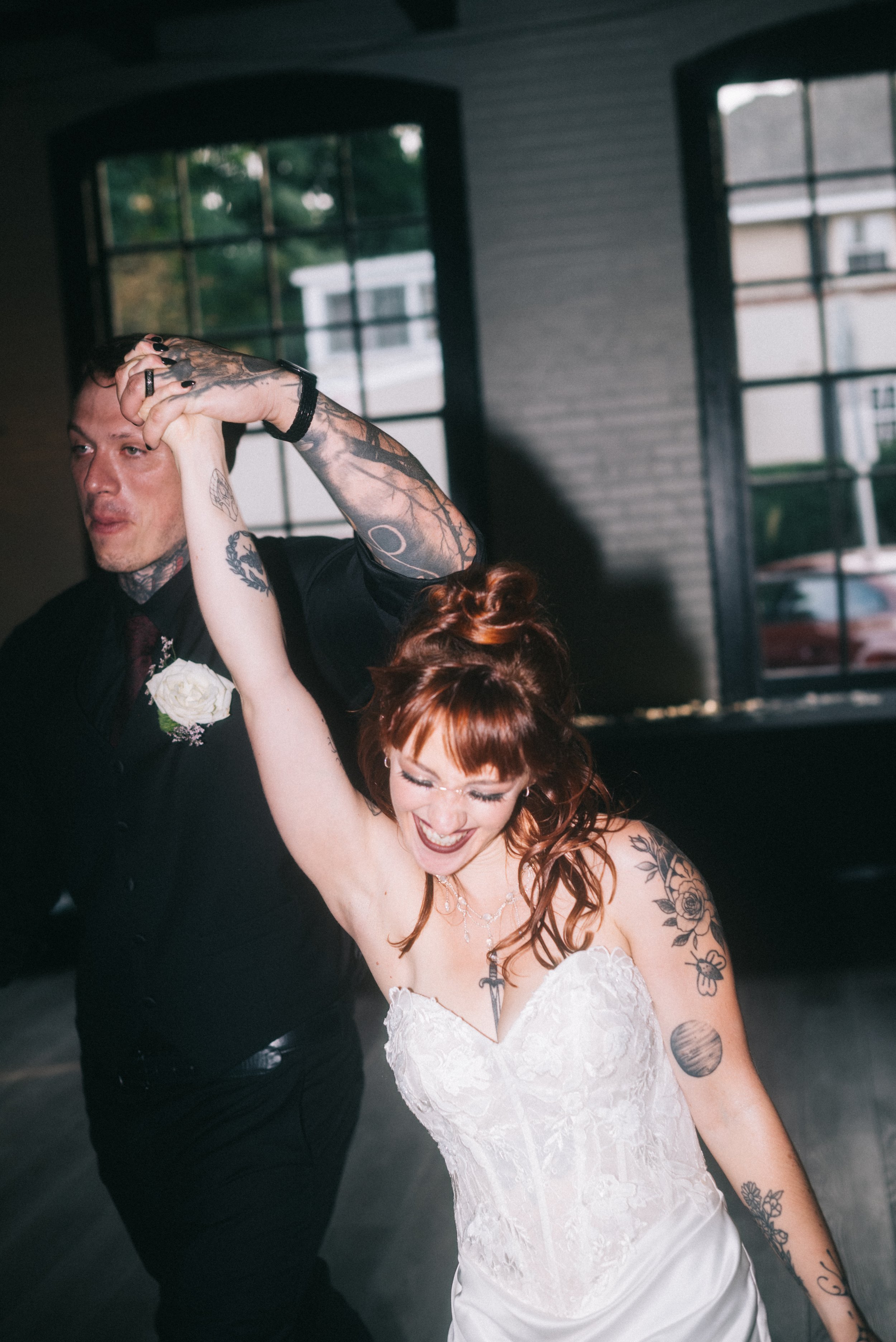
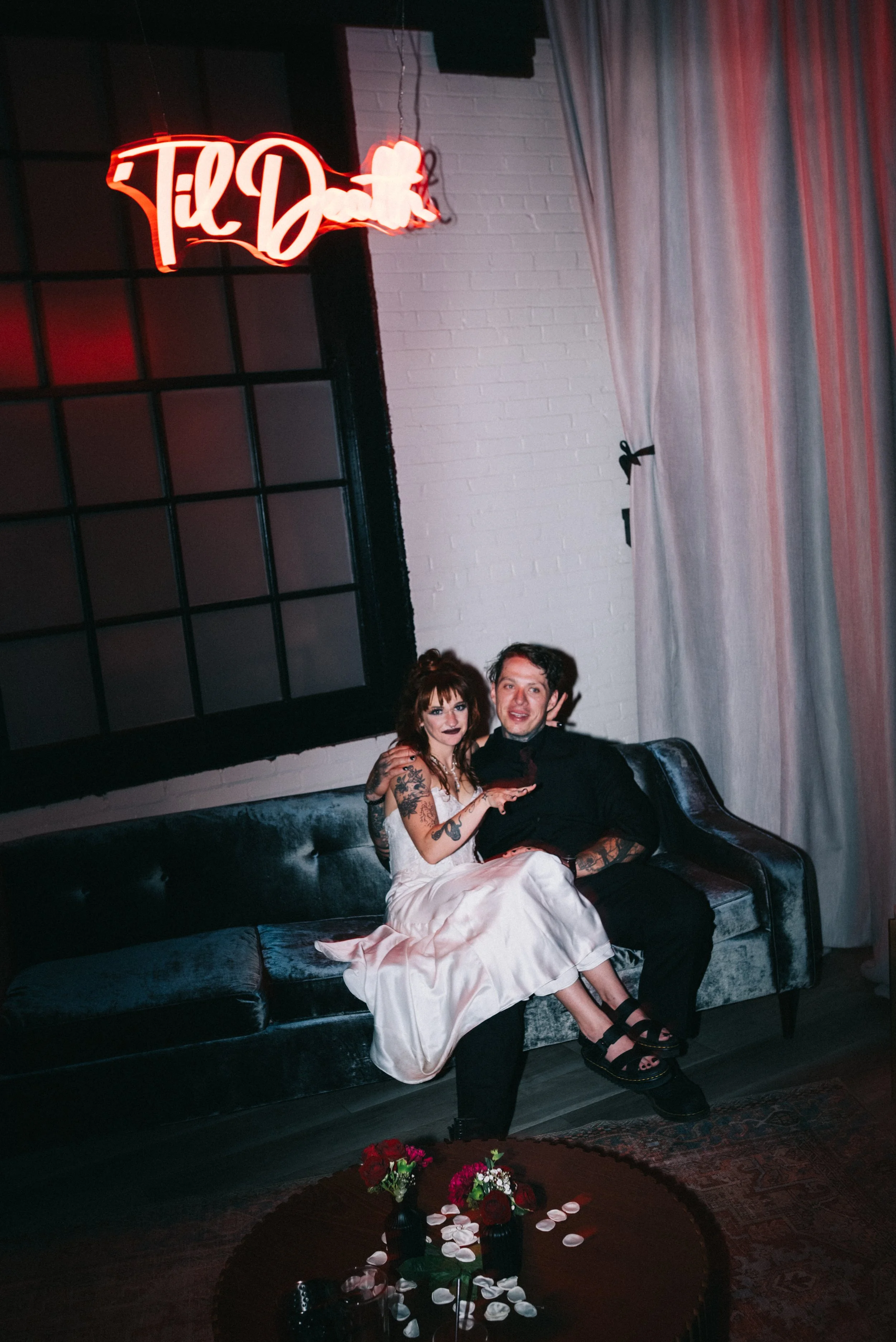
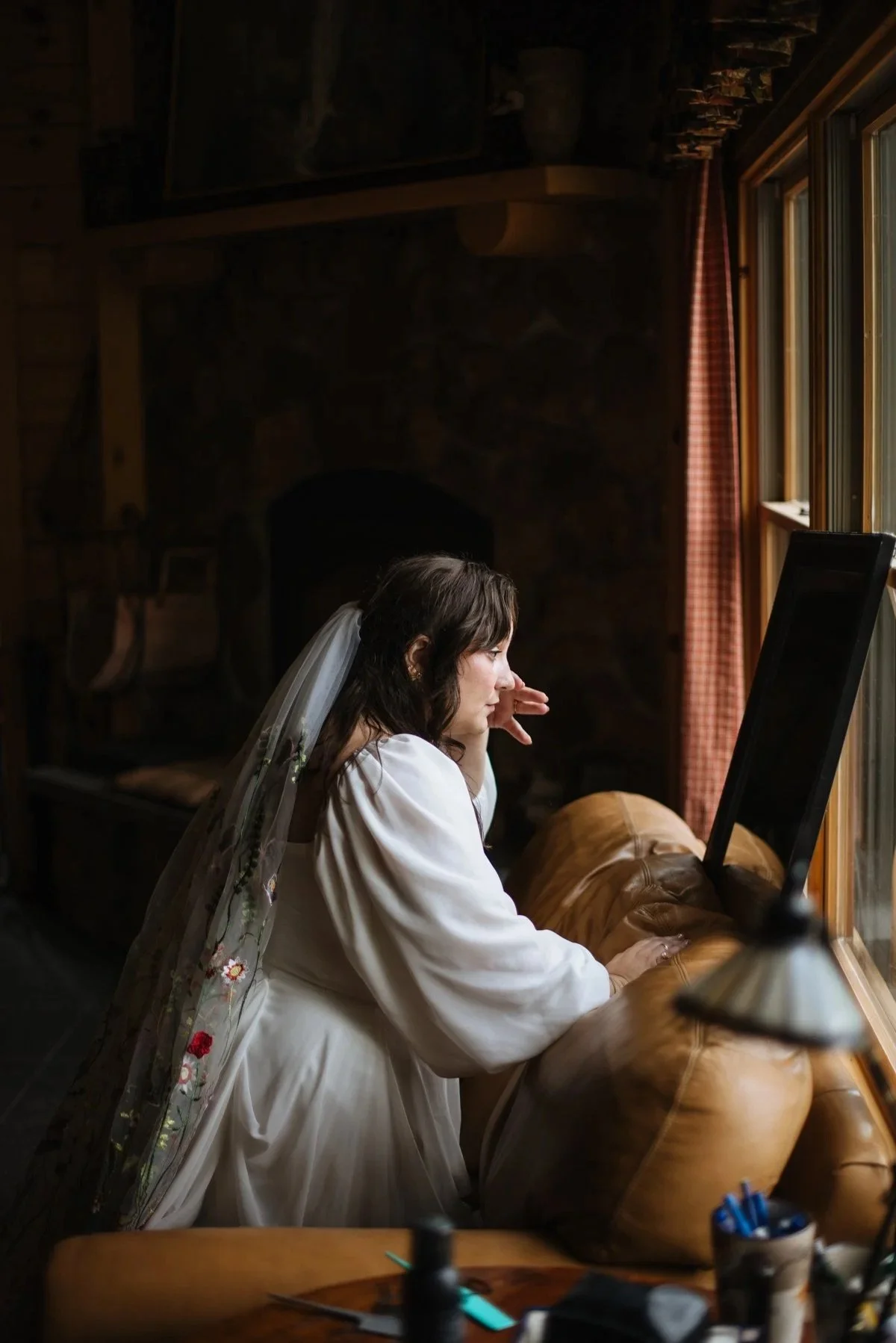
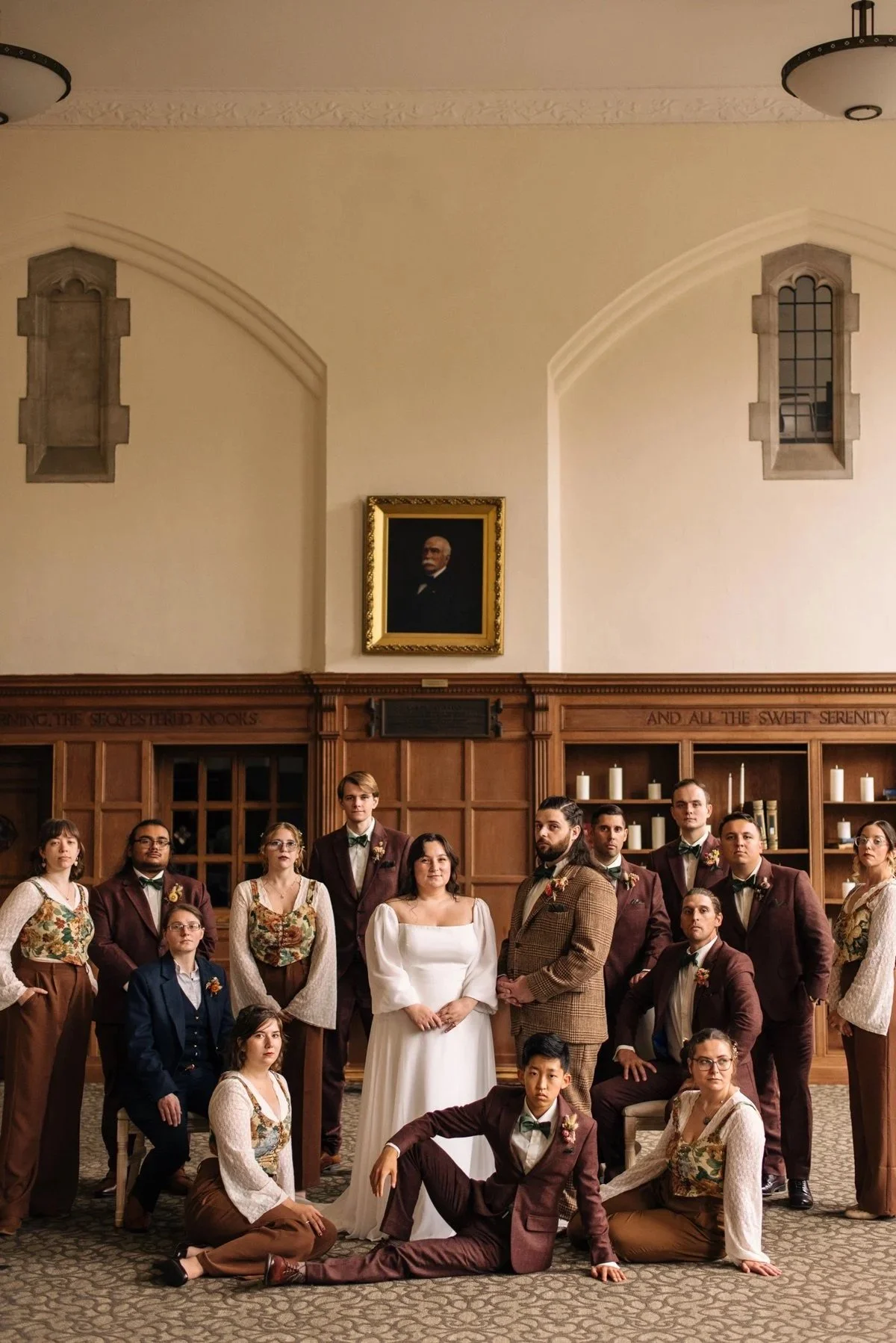
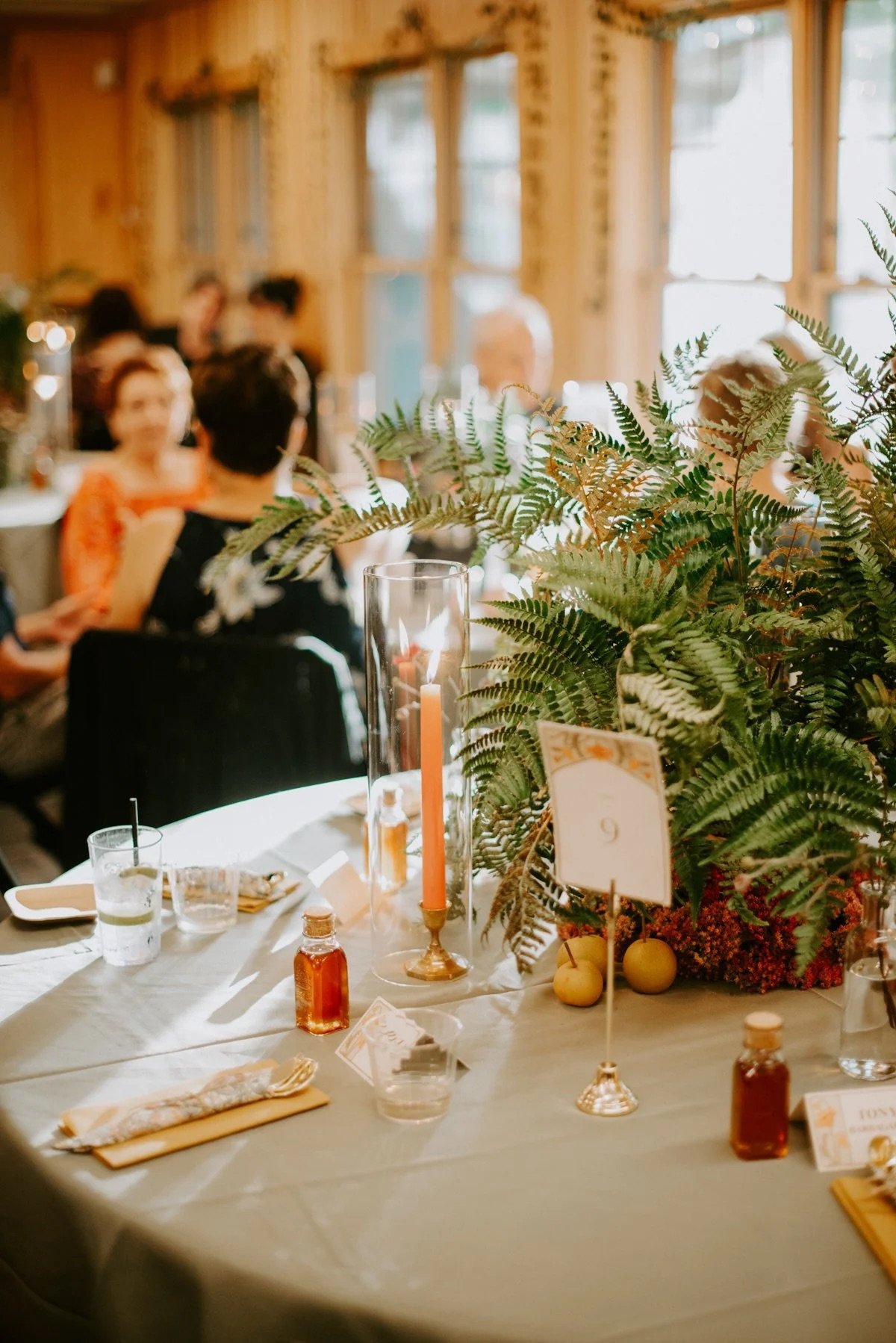
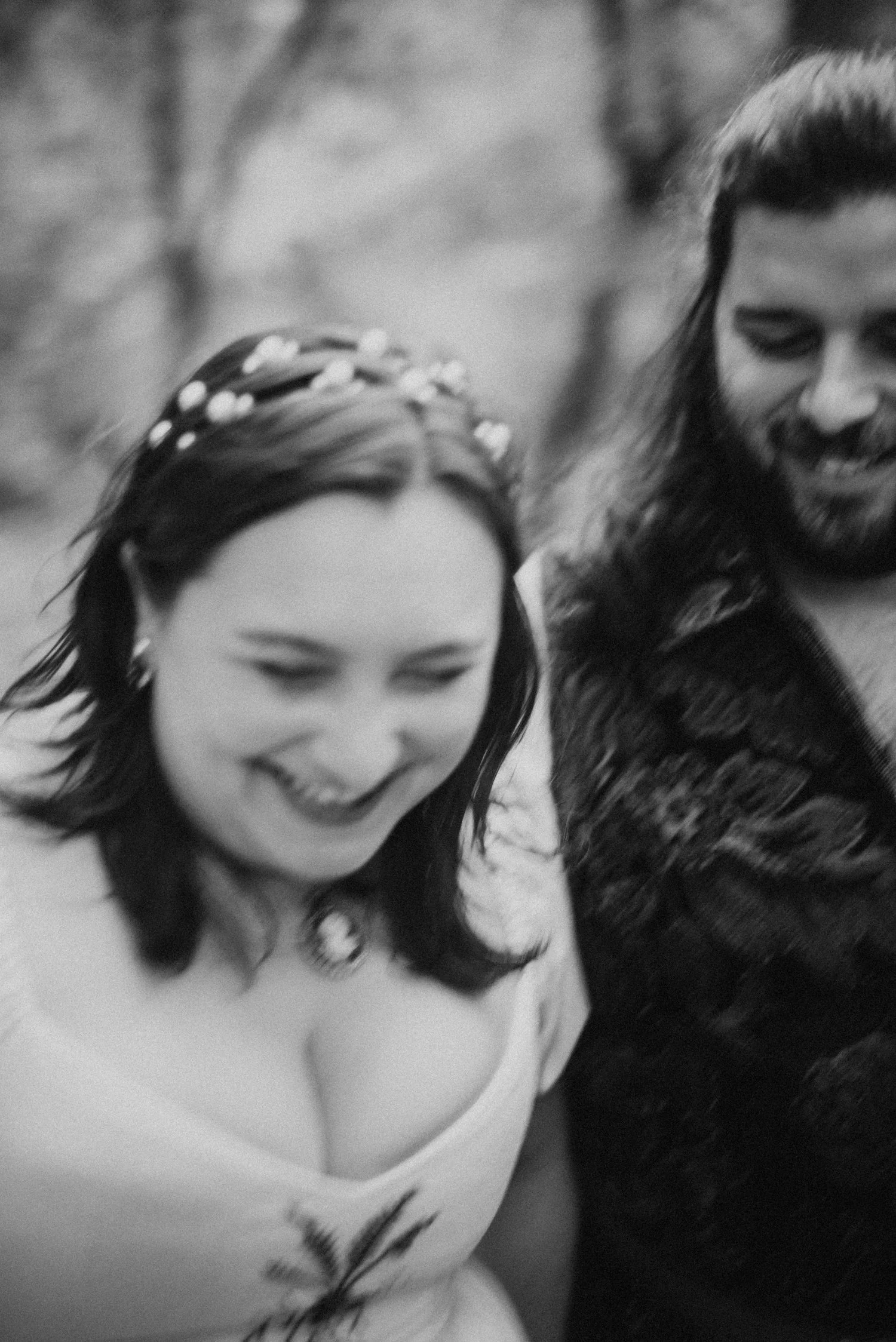
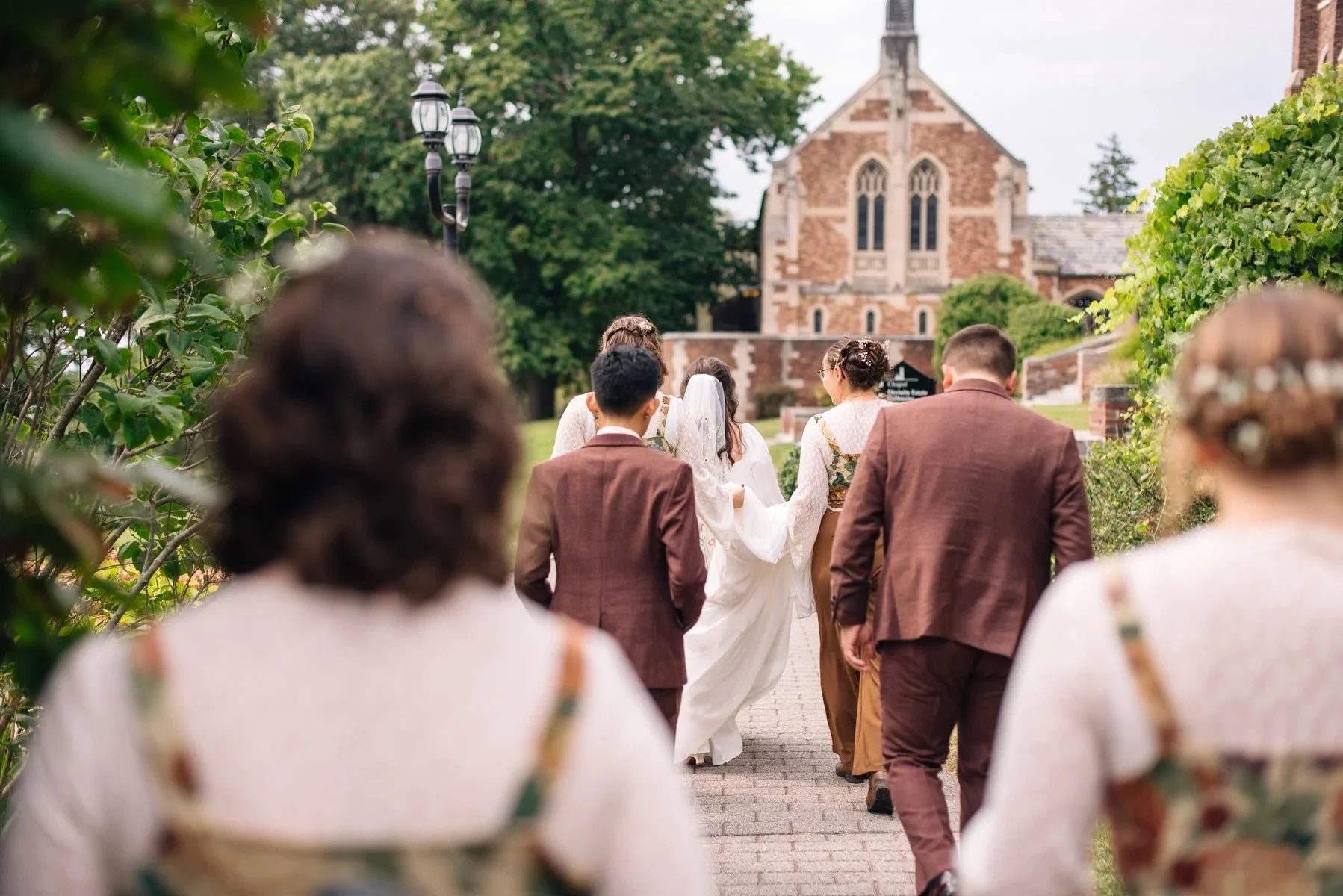
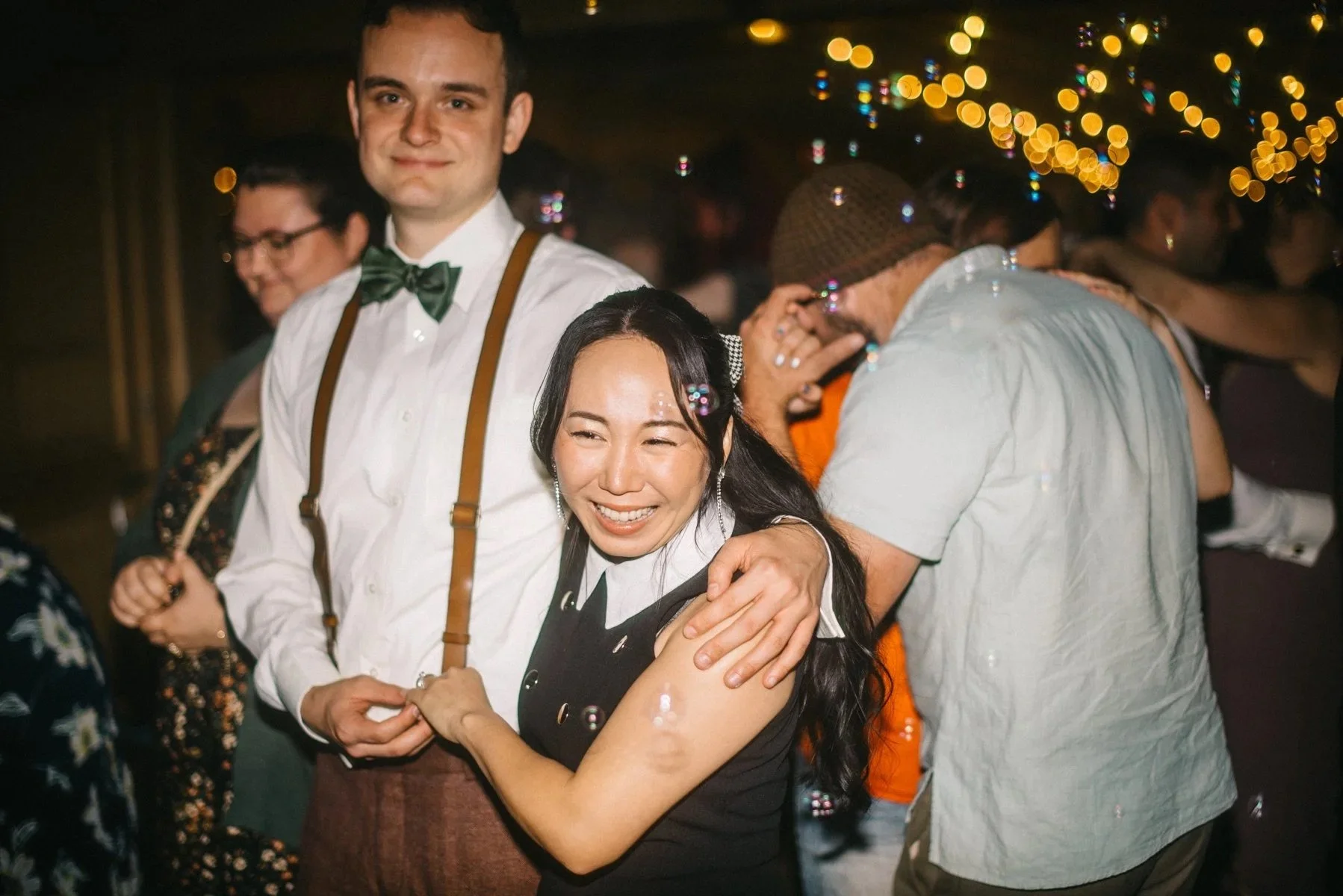
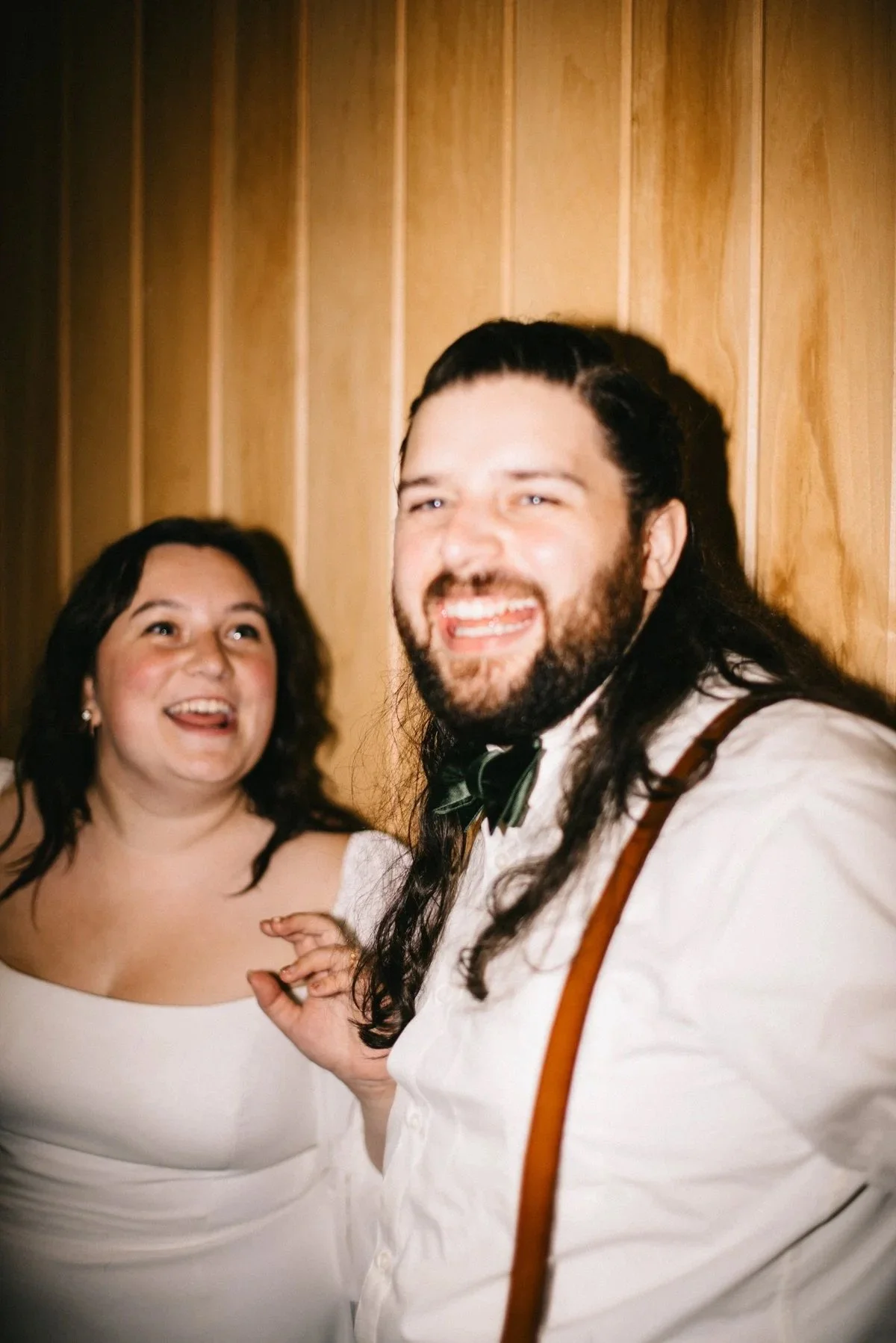
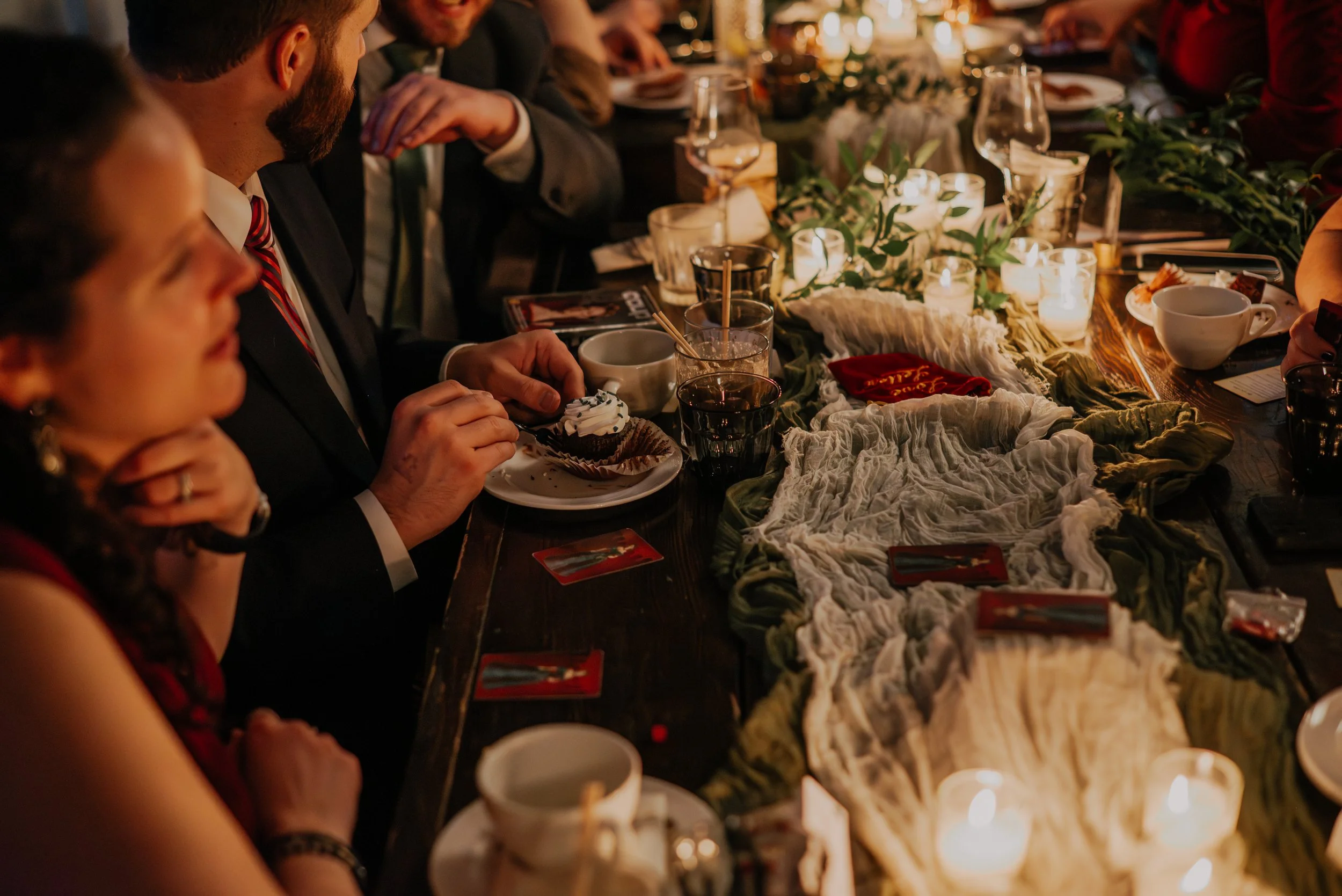
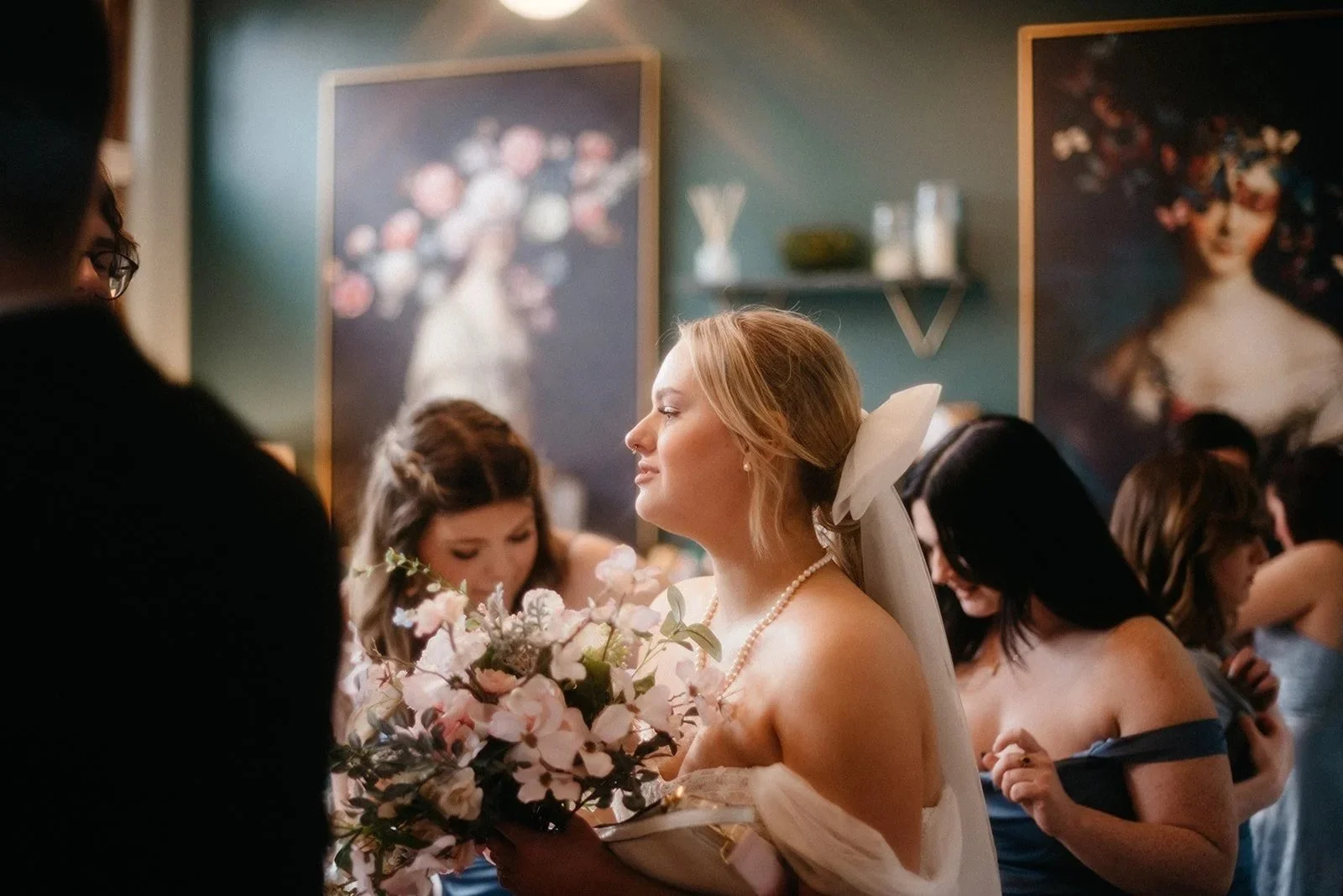
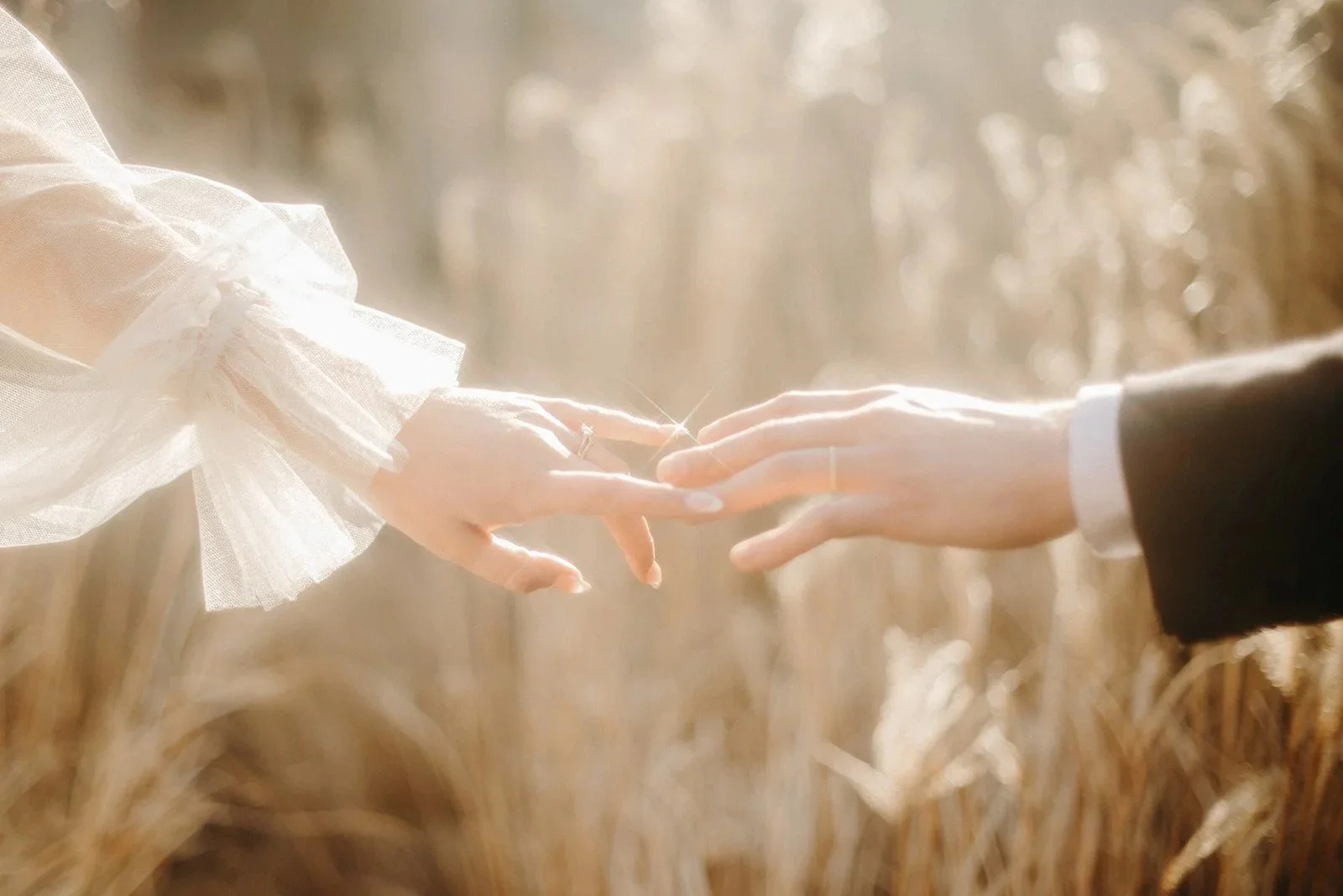
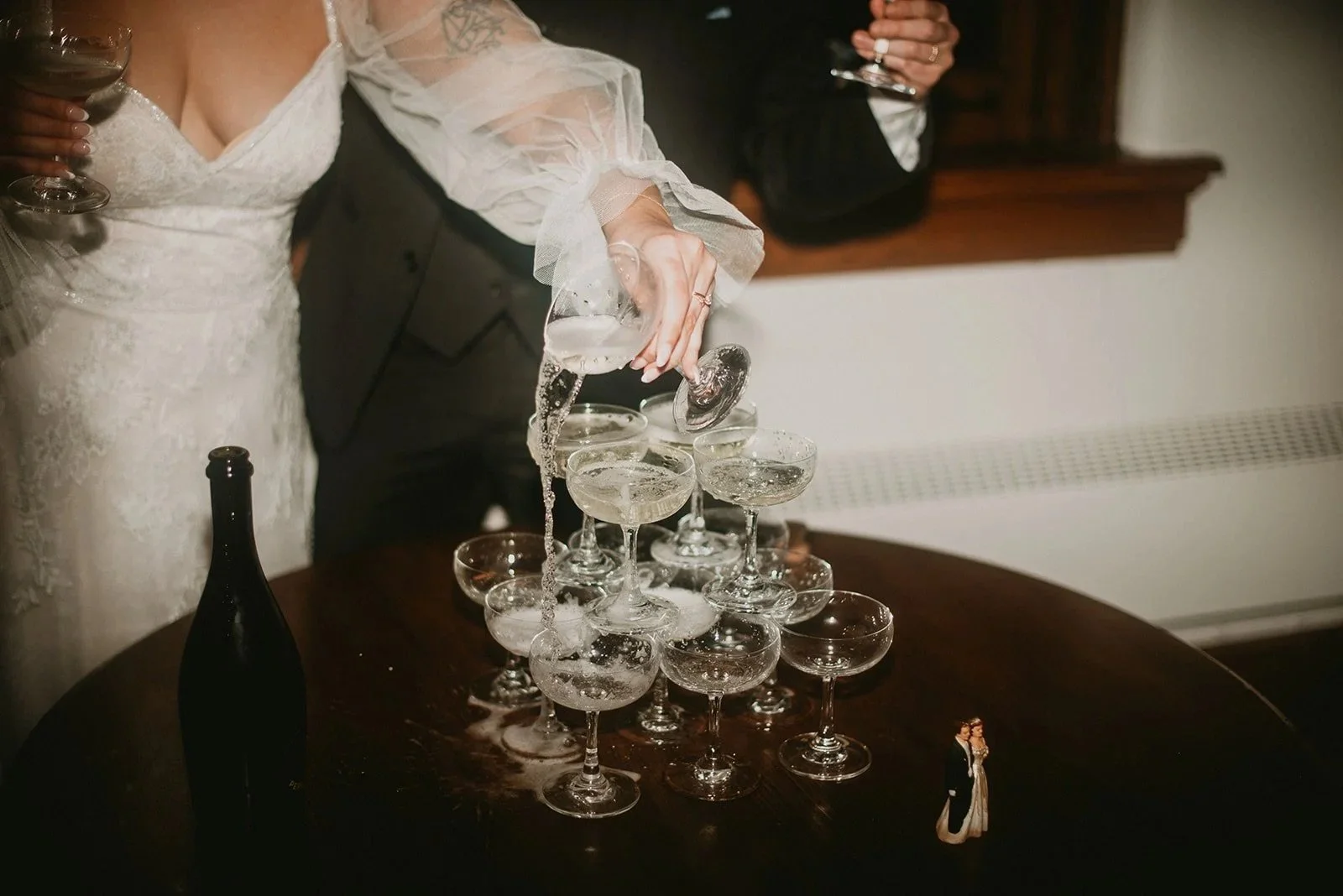
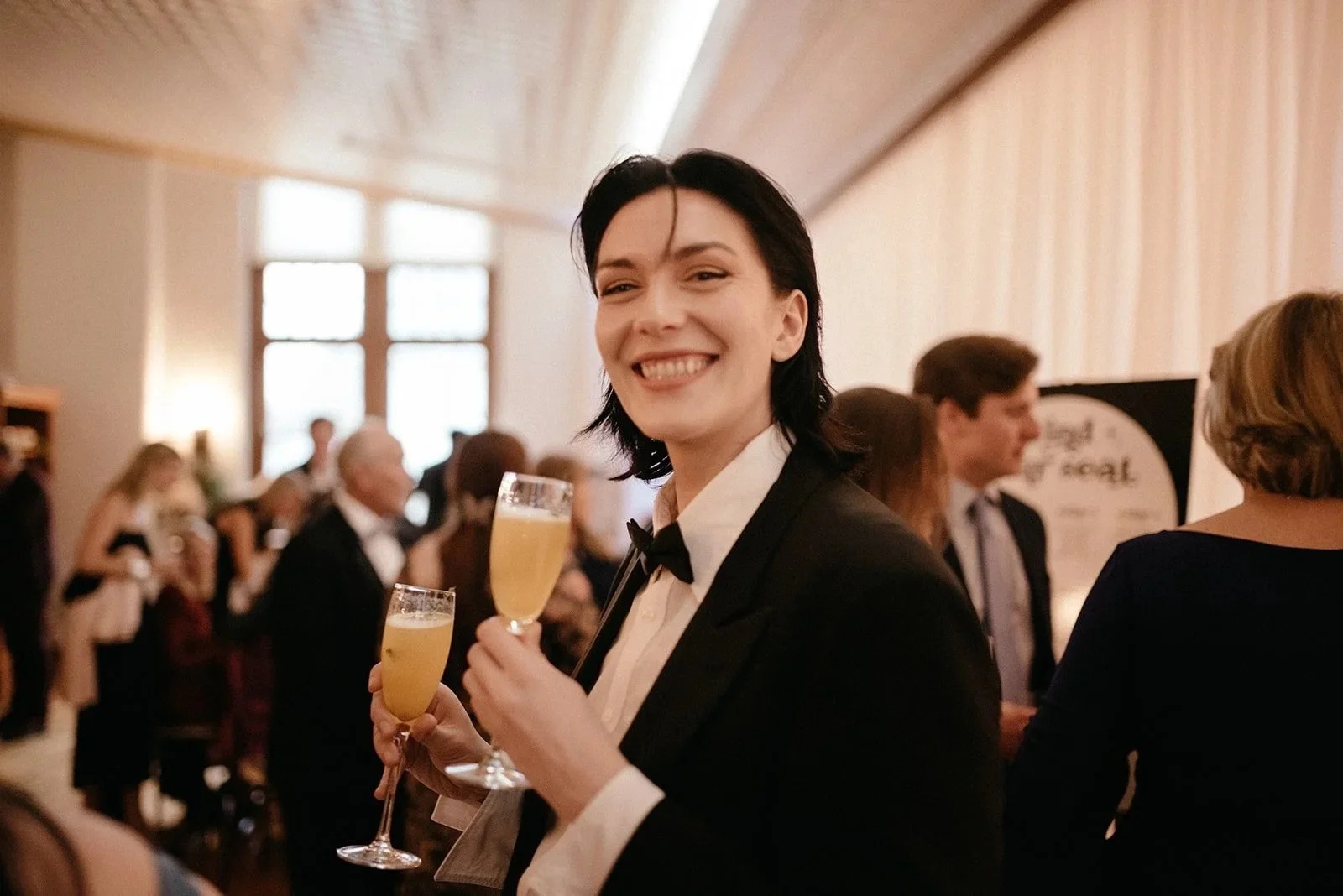
All of the photos in this post are taken on digital. While not 1000% the same as film, we think the benefits of digital, and the ability to add on film as you want, make for an ideal outcome for your final gallery.
So if you’re looking to incorporate film photography (or video!) into your wedding day, just be mindful of who you pick and how you add it into your day, whether it’s hybrid or full film.